
Best 6.5″ Coaxial Car Speakers (Tested) – 2026 Buyer's Guide
The seven 6.5″ coaxials I trust for a true plug-and-play upgrade — ranked by use-case, from best overall to best under $100. A focused deep-dive within my Best Car Speakers guide.

Why I built this guide
If you want the biggest upgrade for the least install fuss, a 6.5″ coaxial is usually the answer — the tweeter sits right on the woofer, so it drops into the factory hole and still sounds great on stock power. It’s the set I recommend most for a first upgrade.
These are the 6.5″ coaxials I trust for a true plug-and-play swap, ranked below.
Compare my 7 6.5″ coaxial picks
| Best for ↕ | My pick ↕ | Power (RMS) ↕ | Sensitivity ↕ | Rating ↕ | Buy |
|---|---|---|---|---|---|
| Best Overall 6.5″ Coaxial | 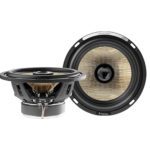 Focal PC 165 FE Focal PC 165 FE | 70 watts | 90 dB | Buy Now $393.44 on Amazon | |
| Best for Warm, Musical Sound | 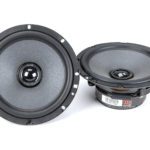 Morel Tempo Ultra Integra 602 MKII Morel Tempo Ultra Integra 602 MKII | 110 watts | 90 dB | Buy Now $349.00 on Amazon | |
| Best Convertible (Coax or Component) | 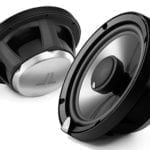 JL Audio C3-650 JL Audio C3-650 | 75 watts | 90 dB | Buy Now $529.99 on Crutchfield | |
| Best for Volume | 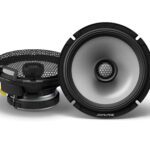 Alpine R2-S65 Alpine R2-S65 | 100 watts | 88 dB | Buy Now $320.00 on Amazon | |
| Best for Factory Upgrades | 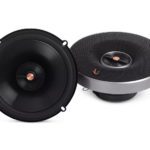 Infinity PR6512IS Infinity PR6512IS | 55 watts | 88 dB | Buy Now $79.95 on Amazon | |
| Best for Bass | 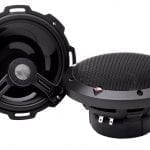 Rockford Fosgate T1675 Rockford Fosgate T1675 | 70 watts | 88 dB | View pick → | |
| Best Under $100 | 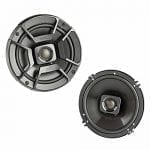 Polk Audio DB652 Polk Audio DB652 | 100 watts | 92 dB | Buy Now $86.92 on Amazon |
CarAudioNow may earn a commission from retailer links. Brands do not influence the recommendations.
How we test & choose 6.5″ coaxials
We install and listen to the same 6.5″ coaxial sets in real vehicles — on factory power and with a modest amp. Rather than publish lab graphs, we focus on what matters day-to-day: fitment, sound quality at normal and loud volumes, and long-term reliability.
Mounting depth, cutout diameter, tweeter protrusion under grilles, and whether adapter rings or spacers are needed for a clean, rattle-free fit.
Listen on a stock head unit and with a sensible amp upgrade to confirm which picks work great with no amp — and which truly benefit from added power.
Consistent reference tracks across genres to judge midrange clarity, tweeter smoothness, and mid-bass fullness for the 6.5″ format.
Cone and surround materials, built-in crossover quality, terminal design, and the included hardware that simplifies installation.
Why 6.5″ Coaxial Car Speakers — and Who This List Is For
- You want a true plug-and-play upgrade Coaxials combine the woofer and tweeter in one basket with a built-in crossover — quicker, often cheaper installs than separates.
- You’re replacing tired factory speakers Every set here sounds clearly better than stock, with cleaner mids and crisper highs.
- You might add an amp later Coaxials come alive with clean power and deadened doors — aim for an amp near the speaker’s RMS and set gains properly.
- You’re weighing coax vs components Want full imaging control or an SQ build? See my 6.5″ component picks. For the simplest path to better sound, coaxials win.
- You’re staying on head-unit power Pick efficient, high-sensitivity models (Infinity, Polk) and add a little door deadening for tighter mid-bass.
My top 6.5″ coaxial picks
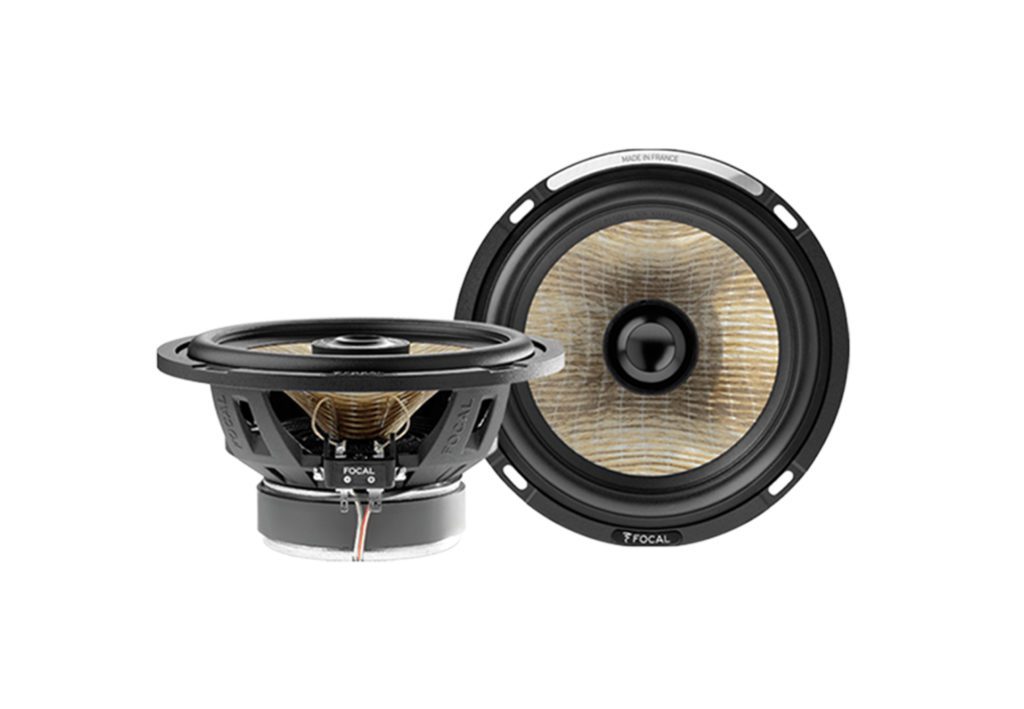
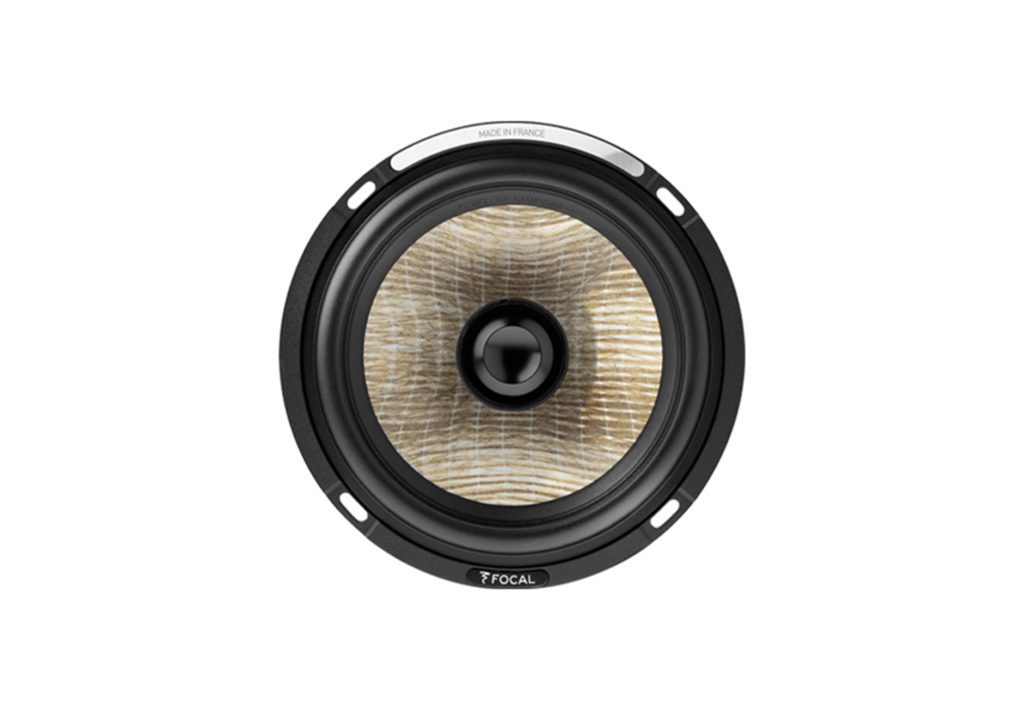
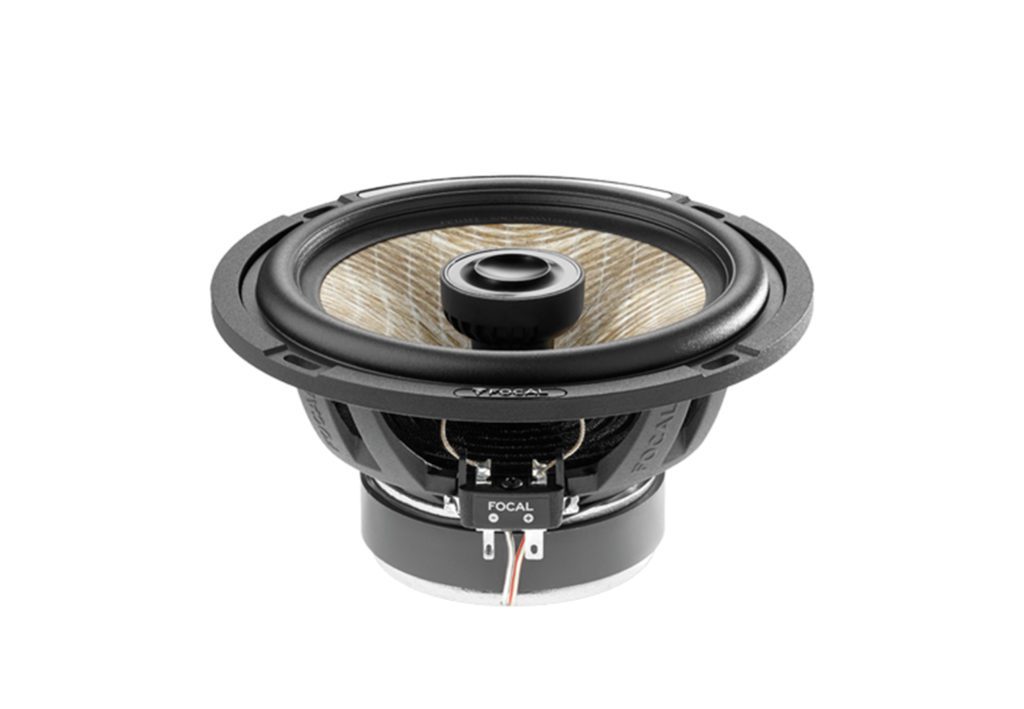
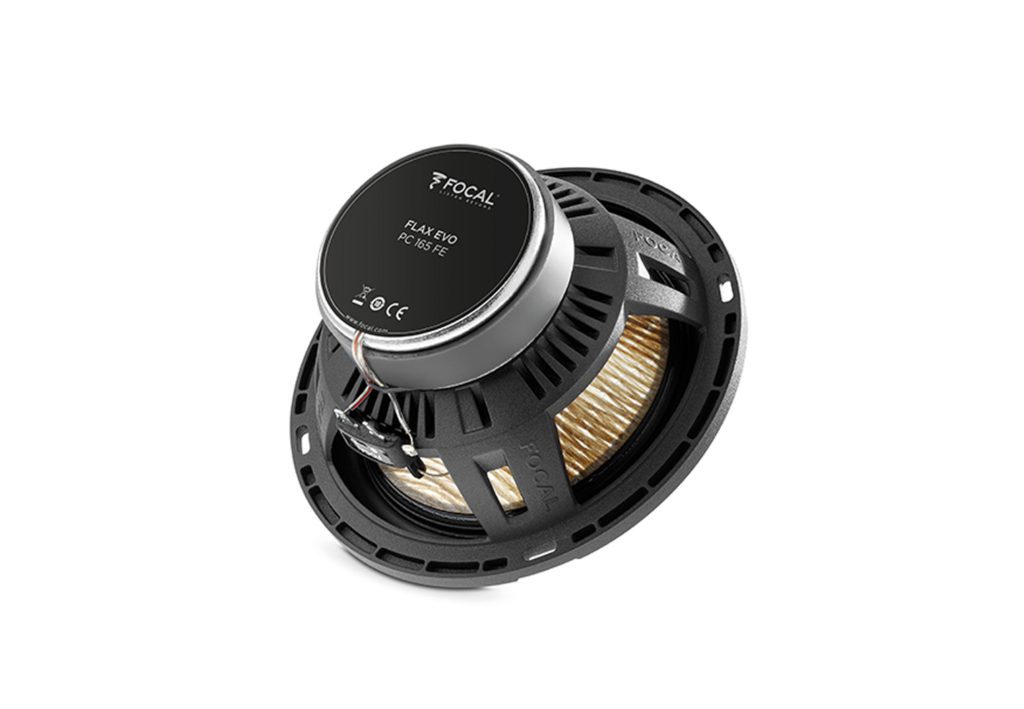
Focal PC 165 FE
6.5" coaxial · flax cone · M-profile tweeter
CarAudioNow may earn a commission from retailer links. Brands do not influence the recommendations.
Why I picked it
If you want one coaxial that sounds “finished” right out of the box, this is it. Focal’s flax cone and inverted M-profile tweeter give detail without edge, plus mid-bass that feels bigger than a 6.5″ should. On a clean 60–80W RMS in deadened doors they open up with real vocal presence and cymbal air. They’ll play on a head unit short-term, but a proper amp with correct gain setting is where they shine. Prefer separates for staging? See my 6.5″ component picks.| Make | Focal |
| Model | PC 165 FE |
| Size/Type | 6.5″ Coaxial |
| Power (RMS) | 70 watts |
| Power (Peak) | 140 watts |
| Frequency Response | 60 – 28,000 Hz |
| Sensitivity | 90 dB |
Reasons to buy
- Balanced “hi-fi” sound with real mid-bass once doors are treated
- Smooth, detailed highs that don’t fatigue off-axis
- Excellent build quality and daily-use reliability
Reasons not to buy
- Really deserves an external amp to shine
- Not ideal for open-air or fairing installs
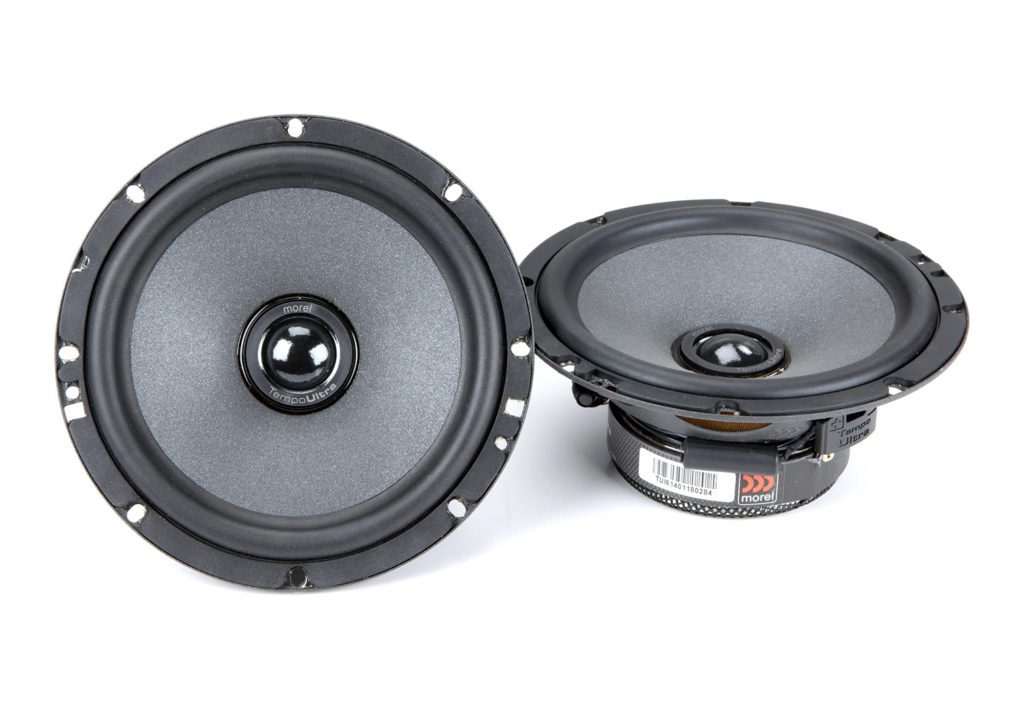
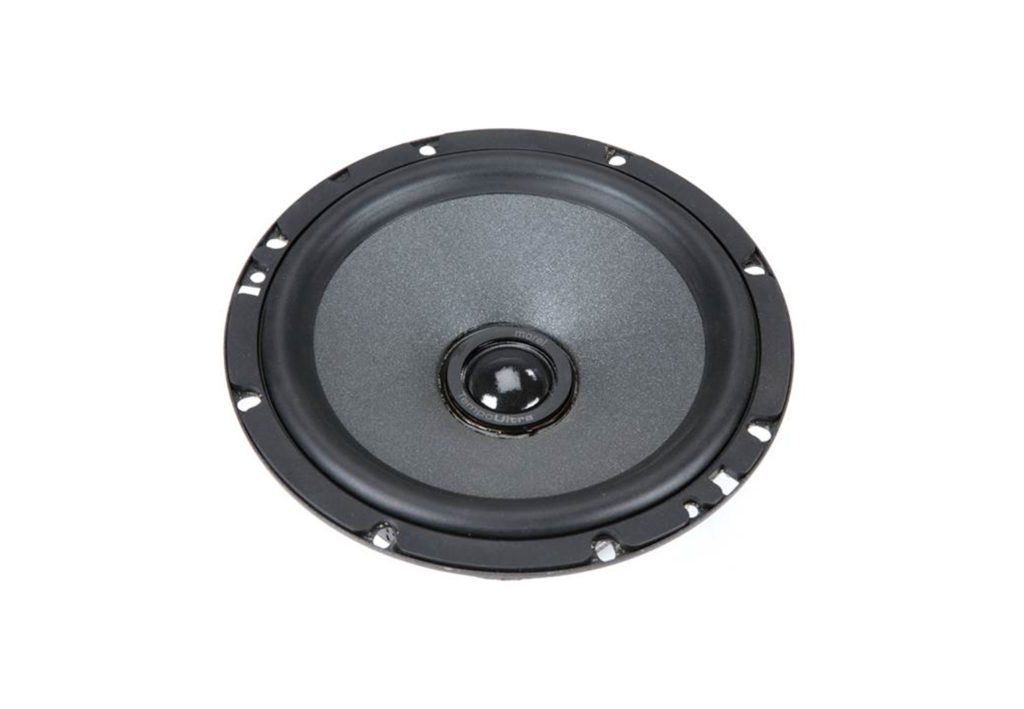
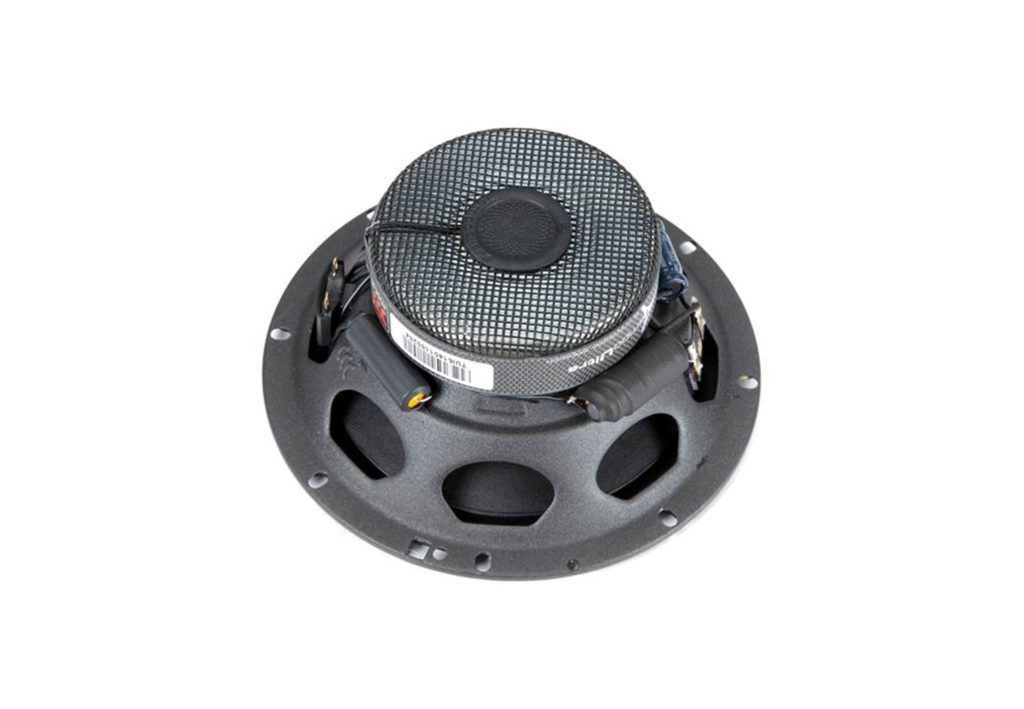
Morel Tempo Ultra Integra 602 MKII
6.5" coaxial · concentric soft-dome · warm signature
CarAudioNow may earn a commission from retailer links. Brands do not influence the recommendations.
Why I picked it
When someone wants a warmer, “musical” signature that still gets loud cleanly, this is where I point them. Morel’s Integra design nests the soft-dome tweeter concentrically with the woofer for coherent imaging and a fatigue-free top end. On ~75–110W RMS they deliver effortless dynamics and rich midrange that makes guitars and vocals pop. They wake up with an amp — set gains sensibly and treat the doors.| Make | Morel |
| Model | Tempo Ultra Integra 602 MKII |
| Size/Type | 6.5″ Coaxial |
| Power (RMS) | 110 watts |
| Power (Peak) | 220 watts |
| Frequency Response | 50 – 22,000 Hz |
| Sensitivity | 90 dB |
Reasons to buy
- Warm, non-fatiguing highs with excellent mid detail
- Great dynamics fed 75–110W RMS
- Concentric design images well in stock locations
Reasons not to buy
- Less “sparkle” up top than metal-dome rivals
- Not the best choice if you must stay on head-unit power
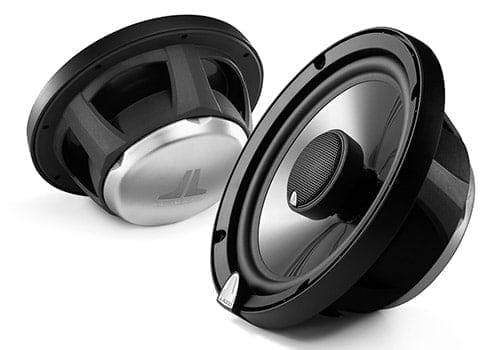
JL Audio C3-650
6.5″ convertible component · run as component or coax
CarAudioNow may earn a commission from retailer links. Brands do not influence the recommendations.
Why I picked it
JL’s convertible design is why I still recommend the C3-650 year after year: run them as true components for staging, or snap the tweeter onto the woofer for a clean coaxial install. The silk-dome tweeter is smooth and the crossover gives you practical level options to tame dash reflections. Planning to bi-amp or fine-tune? My crossover explainer and gain-setting guide get you dialed quickly.| Make | JL Audio |
| Model | C3-650 |
| Size | 6.5″ Convertible Component |
| Power (RMS) | 75 watts |
| Power (Peak) | 150 watts |
| Frequency Response | 48 – 25,000 Hz |
| Sensitivity | 90 dB |
Reasons to buy
- Convertible (component or coax) makes tricky installs easy
- Smooth silk-dome highs with adjustable levels
- Low distortion and solid cooling when played loud
Reasons not to buy
- Tweeter mounting may need extra hardware in some vehicles
- Benefits from an external amp to reach full dynamics
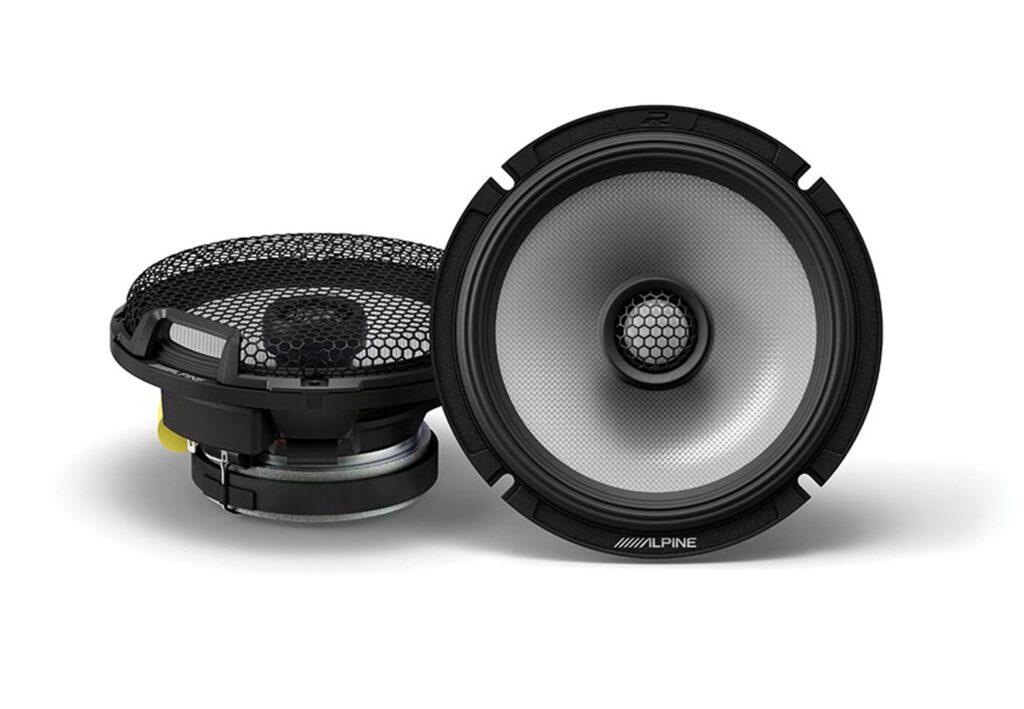
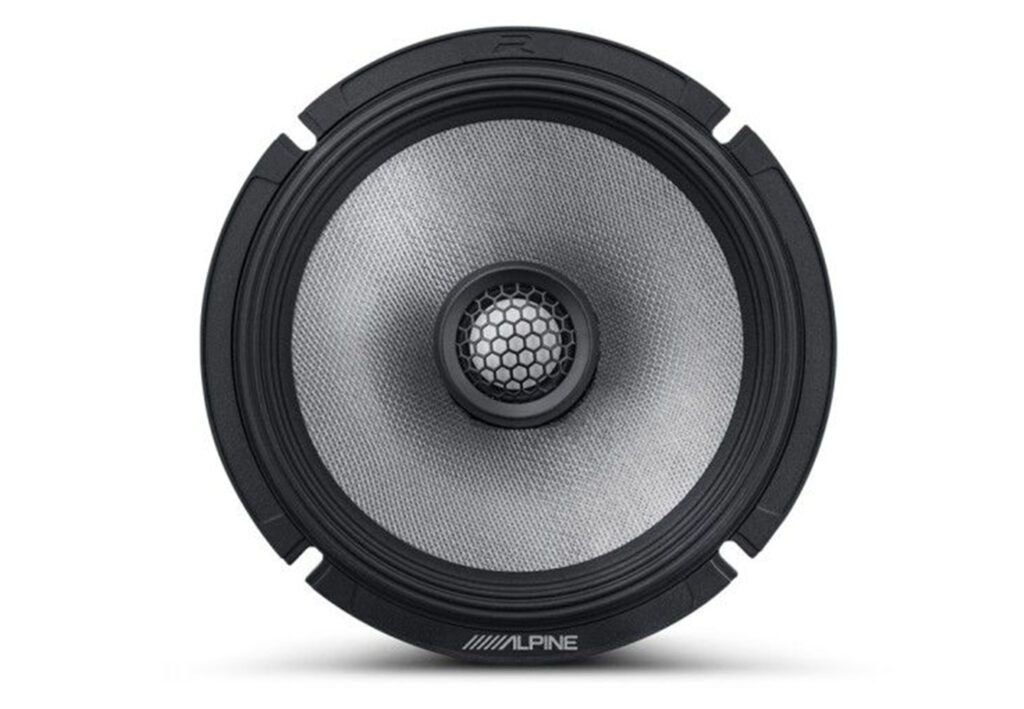
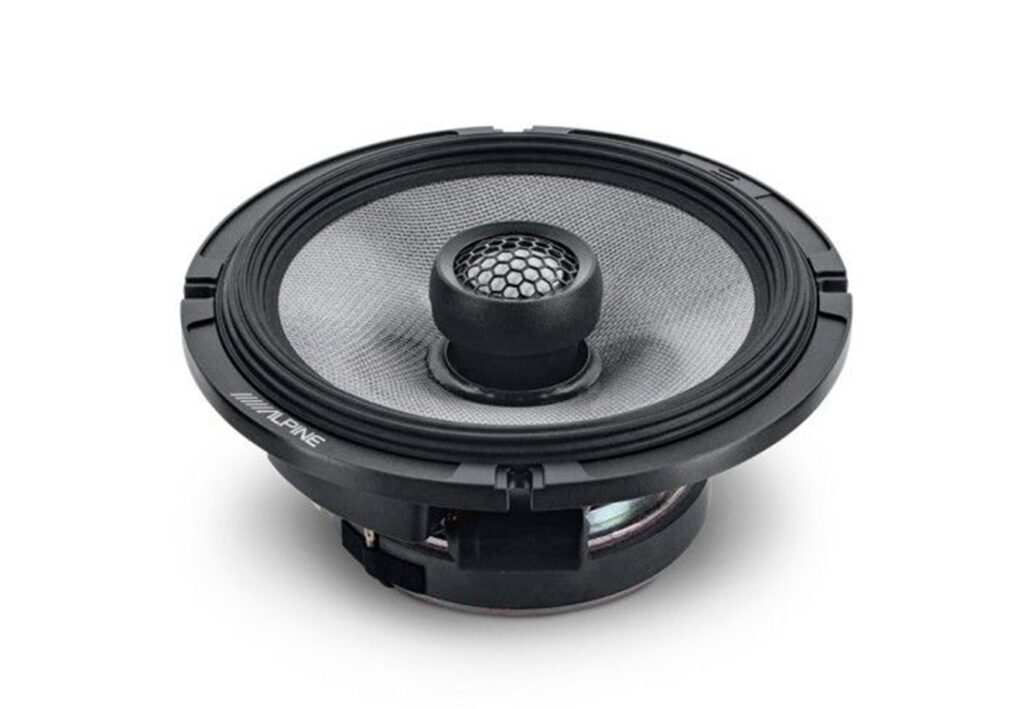
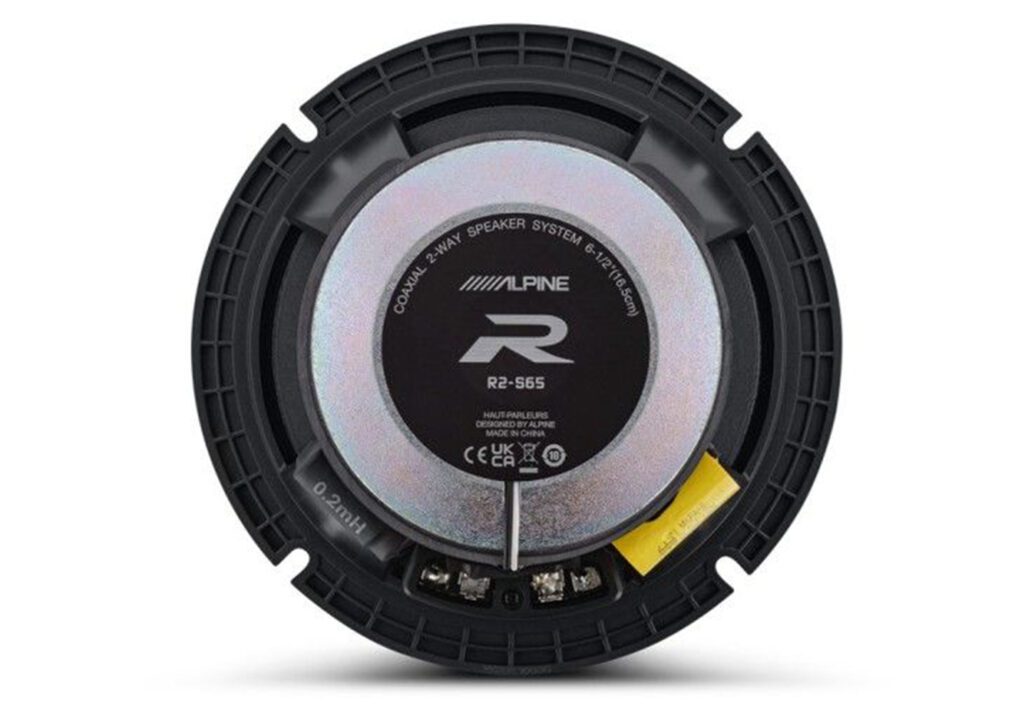
Alpine R2-S65
6.5" coaxial · CFRP cone · magnesium tweeter
CarAudioNow may earn a commission from retailer links. Brands do not influence the recommendations.
Why I picked it
Alpine’s latest R-Series leans into high-res playback and serious output — the most “authoritative” coaxials on this list. Dense mid-bass with an energetic (but not harsh) top end. With a clean 75–100W RMS per channel they deliver big sound from the doors; set a high-pass around 60–80 Hz and they dig impressively low for a 6.5″. Add a quality four-channel amp and a little door deadening to unlock them.| Make | Alpine |
| Model | R2-S65 |
| Size/Type | 6.5″ Coaxial |
| Power (RMS) | 100 watts |
| Power (Peak) | 300 watts |
| Frequency Response | 65 – 40,000 Hz |
| Sensitivity | 88 dB |
Reasons to buy
- Huge, confident mid-bass and dynamic output
- High-res-friendly top end with strong detail
- Real excursion from the multi-roll surround
Reasons not to buy
- Can sound thick if underpowered or undeadened
- Not the pick for pure head-unit power
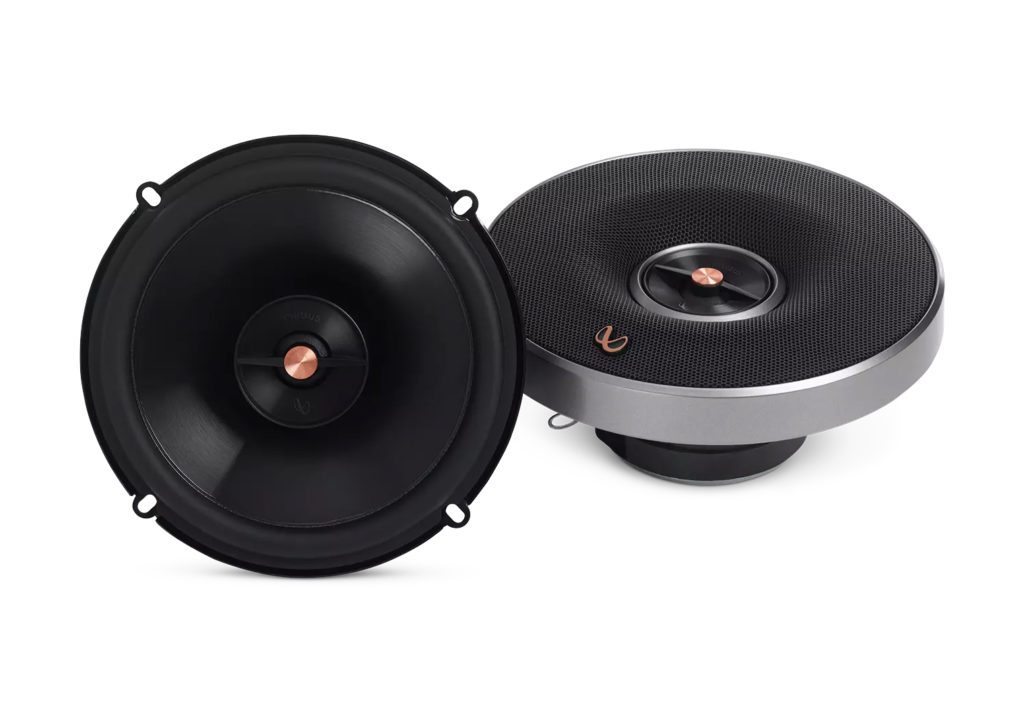
Infinity PR6512IS
6.5" coaxial · Plus One+ cone · ~3Ω load
CarAudioNow may earn a commission from retailer links. Brands do not influence the recommendations.
Why I picked it
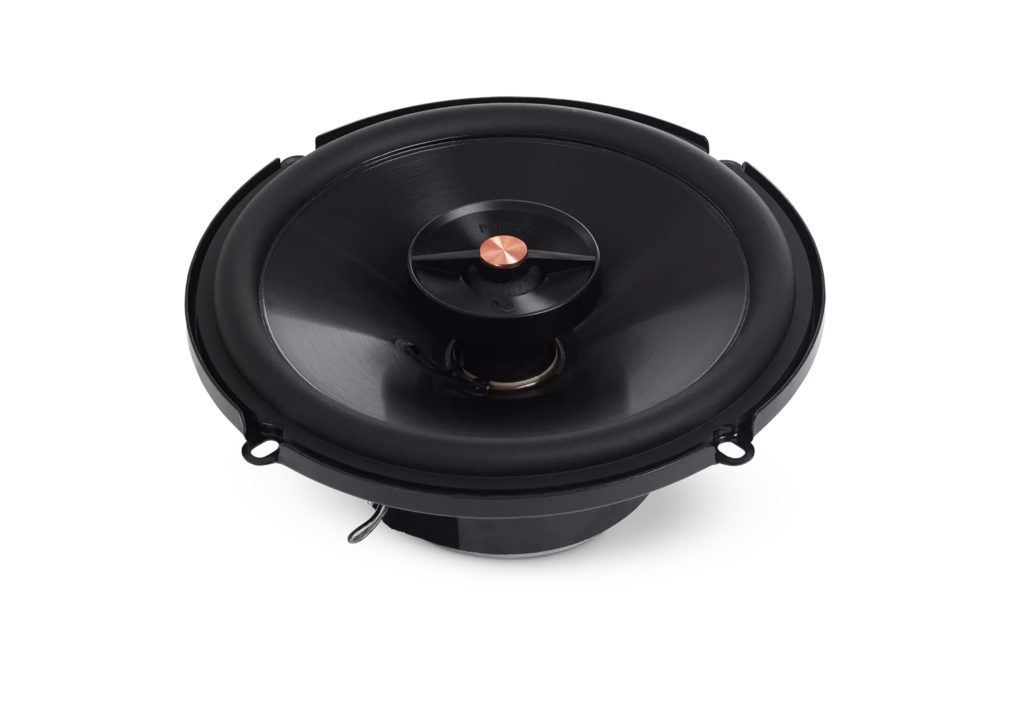
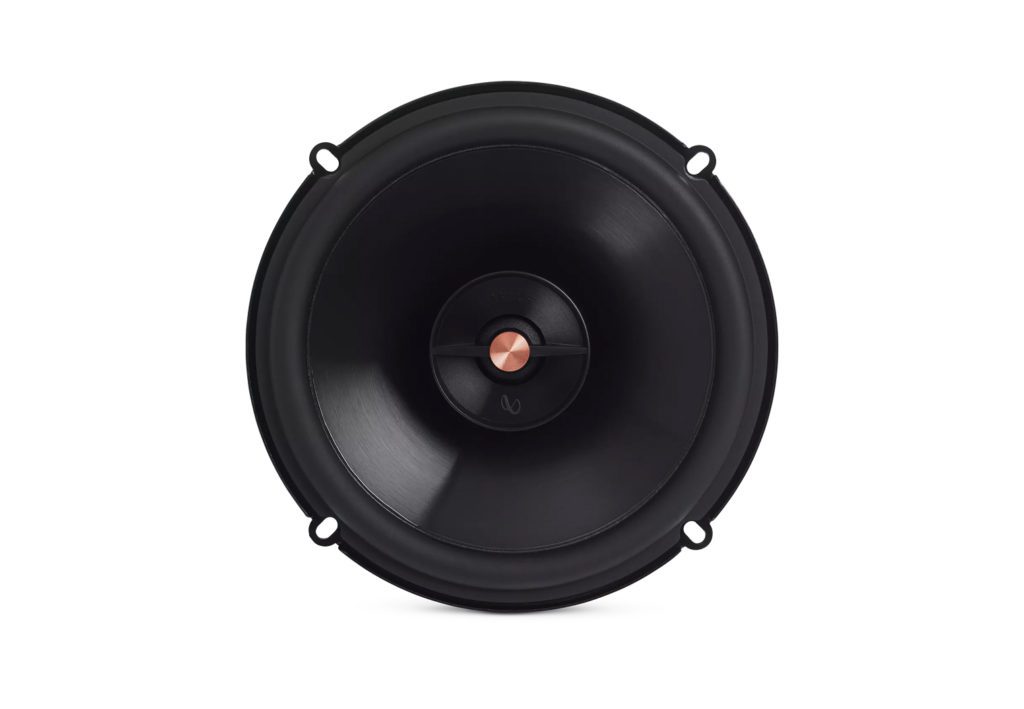
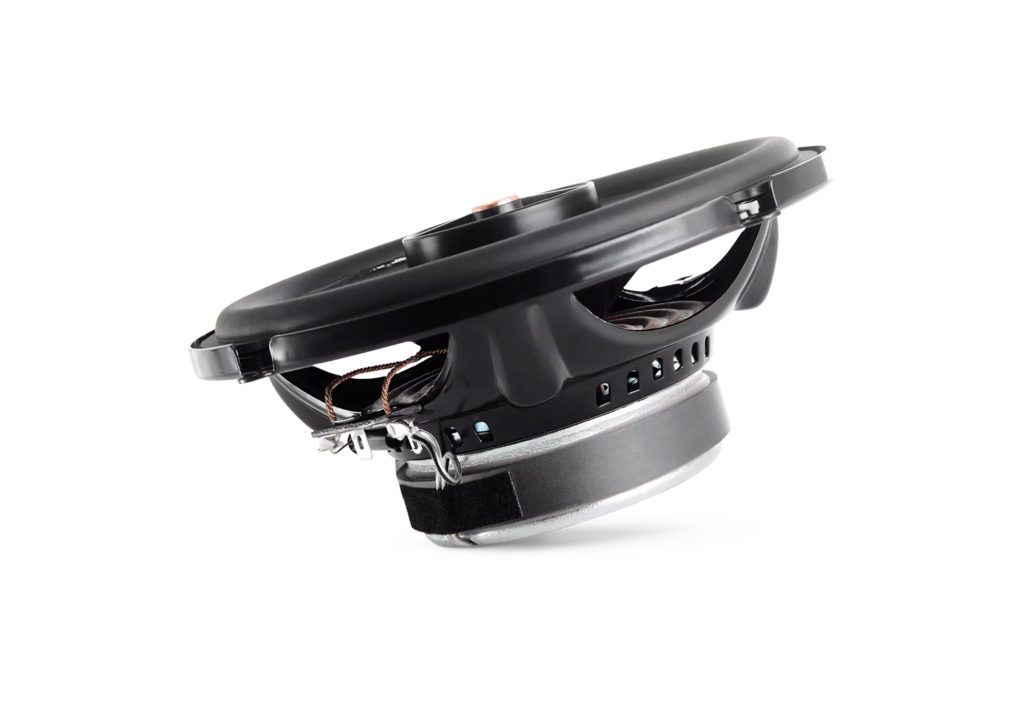
My go-to factory upgrade. The low nominal impedance (~2.7Ω at the driver, ~4Ω at the radio with factory wiring) keeps them lively on stock power, and they scale with an amp later. Inexpensive, easy to fit, and far better than most OEM “premium” badges. Not sure they fit? Check my speaker size chart and install how-to.| Make | Infinity |
| Model | PR6512is |
| Size/Type | 6.5″ Coaxial |
| Power (RMS) | 55 watts |
| Power (Peak) | 165 watts |
| Frequency Response | 53 – 20,000 Hz |
| Sensitivity | 88 dB |
Reasons to buy
- Excellent factory replacement on head-unit power
- Fuller mid-bass than most budget coaxials
- Great value and broad fitment
Reasons not to buy
- Top-end detail isn’t at higher-tier level
- Still benefits from an amp and basic deadening
Rockford Fosgate T1675
6.5" coaxial · oversized cone · forward voicing
CarAudioNow may earn a commission from retailer links. Brands do not influence the recommendations.
Why I picked it
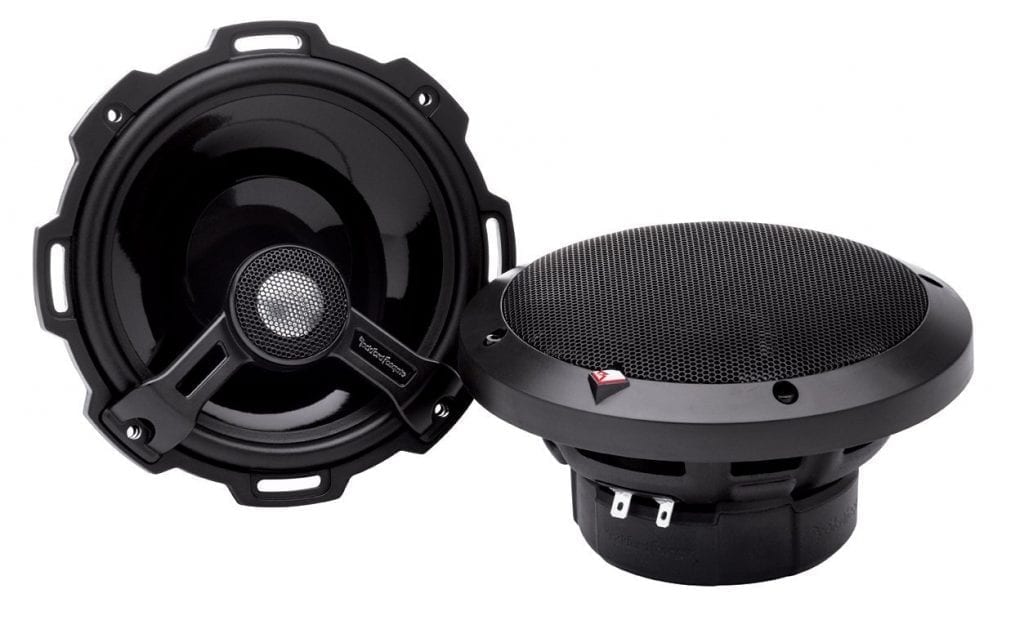
If you want punch, this is the set I reach for. The T1675 is an oversized 6.5″ that still fits most 6.5″ openings, giving extra cone area for kick-drum weight and bass-guitar body. Voiced a little forward — great in trucks and SUVs. They shine on a clean 60–80W RMS and pair well with a compact subwoofer. Check depth and clearance first with my size chart.| Make | Rockford Fosgate |
| Model | T1675 |
| Size/Type | 6.5″ Coaxial |
| Power (RMS) | 70 watts |
| Power (Peak) | 140 watts |
| Frequency Response | 52 – 22,000 Hz |
| Sensitivity | 88 dB |
Reasons to buy
- Meaty mid-bass and energetic presentation
- Oversized cone fits many 6.5″ locations
- Scales nicely when you add an amp
Reasons not to buy
- Really benefits from external amplification
- Physically larger — check depth/clearance
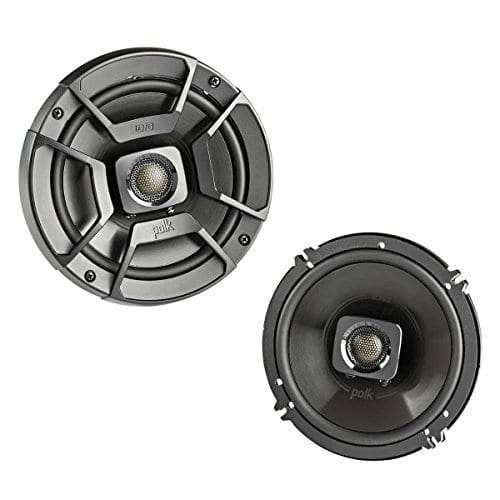
Polk Audio DB652
6.5" coaxial · marine-rated · pivoting tweeter
CarAudioNow may earn a commission from retailer links. Brands do not influence the recommendations.
Why I picked it
The budget hero. DB652s are affordable, efficient and tougher than most at the price — and their marine-rated, water-resistant design makes them great for daily drivers, boats and powersports. Off head-unit power they get louder than you’d expect and stay clean. Building a marine system too? See my best marine speakers.| Make | Polk Audio |
| Model | DB652 |
| Size/Type | 6.5″ Coaxial |
| Power (RMS) | 100 watts |
| Power (Peak) | 300 watts |
| Frequency Response | 40 – 22,000 Hz |
| Sensitivity | 92 dB |
Reasons to buy
- Water-resistant & marine-rated at a great price
- Efficient on factory head-unit power
- Pivoting tweeters help in off-axis stock locations
Reasons not to buy
- Limited top-end finesse vs higher-tier sets
- Meant for a clean upgrade, not an SQ centerpiece
Get your exact fit & an upgrade path
Find your vehicle’s front-door speaker sizes and mounting depth with my interactive speaker size chart, then come back and pick with confidence.
6.5″ coaxial FAQs
Do I need an amplifier for these coaxials?+
You don’t need one for the Infinity or Polk, but every set here improves with clean external power. Planning an amp? Target the speaker’s RMS and follow my gain-setting steps and amp picks.
What crossover settings should I start with?+
A safe start is a high-pass at 60–80 Hz (12–24 dB/oct). Untreated doors or loud listening? Lean toward 80 Hz, then adjust by ear — my crossover guide explains the filters.
Should I deaden my doors?+
Yes — especially with the Focal, JL and Alpine. A little deadening tightens bass, cuts resonance and lets the mids breathe. My install guide covers the basics.
Coaxials or components — which should I get?+
Coaxials are the fastest drop-in upgrade with fewer parts. If front-stage imaging and tuning control matter most, step up to my 6.5″ component picks.
More reviews & comparisons
Go deeper on the gear and installs behind these picks.
Why trust CarAudioNow?
